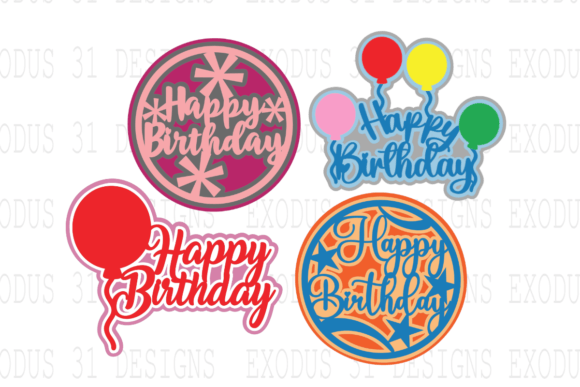
Happy Birthday Cake Topper Layered SVG for Laser Cutting
First Impressions: A Publisher's Review of the Visual Mood
As a digital publisher who has spent years curating visual assets for high-traffic blogs and affiliate sites, I know that the first thing a reader sees is often the most critical factor in their decision to stay. When I first opened the Happy Birthday Cake Topper Layered SVG bundle, my immediate reaction was one of relief. In an era where generic clip art floods the creative marketplace, finding a design asset that balances playfulness with editorial polish is rare. This specific collection exudes a lifestyle-focused, celebratory mood that feels both modern and timeless. It does not scream "cheap graphic"; instead, it whispers "curated content."
The design language here is clean yet decorative, making it perfect for niches ranging from parenting blogs and party planning guides to DIY craft tutorials. The layered nature of the files suggests depth and dimension, which translates beautifully into web design contexts. For a content creator, this means you are not just adding an image; you are establishing a brand identity that feels trustworthy and professional. The aesthetic is feminine without being overly cloying, bold enough to catch the eye on a crowded homepage, yet soft enough to complement serif fonts in an article header.
Integrating the Asset into Real Publishing Workflows
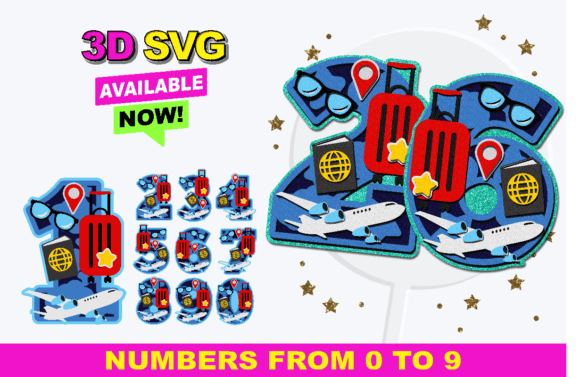
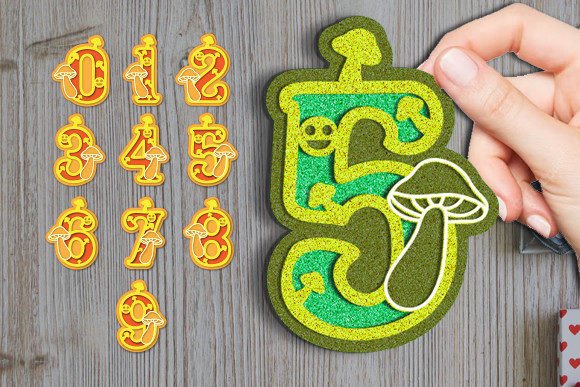
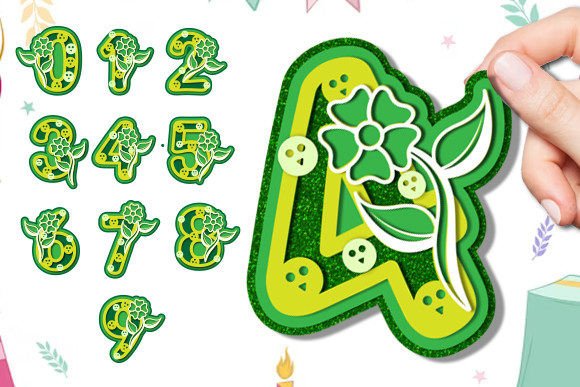
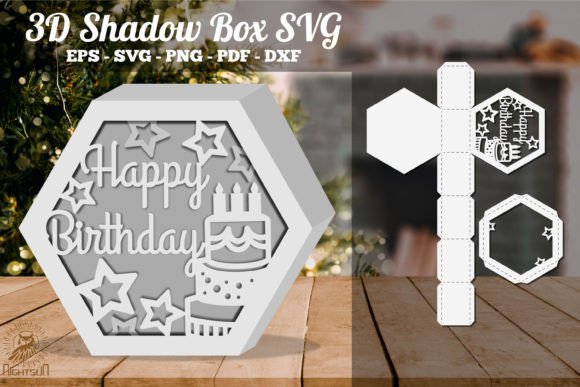
Let's talk about how this actually works in a real publishing workflow. Imagine you are preparing a round-up post for the upcoming birthday season. You need featured images that stand out on social media, category thumbnails that organize your archive, and perhaps a lead magnet cover for a downloadable party checklist. This product is a bundle of 4 SVG files shown in the images - They are 4 SVG files, Happy Birthday cake toppers. - They are layered files - The files are between 6-7 inches in size, they can be resize. This versatility is exactly what a busy blogger needs.
In my own projects, I have used similar layered vectors to create dynamic Pinterest pins that drive massive referral traffic. Because these are scalable vector graphics, you can take the same design and use it as a tiny icon in a navigation menu or blow it up to a full-width website header without losing a single pixel of quality. This consistency is key for small business branding. When a user clicks through from a social media post to your blog, seeing the same visual motif reinforces recognition and trust.
Furthermore, these files are excellent for creating digital products. If you offer digital guides, worksheets, or printable designs, incorporating these cake topper elements into your eBook covers or content upgrades adds a layer of professionalism that free stock photos simply cannot match. They work seamlessly inside Canva templates, allowing you to quickly assemble social media graphics or newsletter headers that look like they were designed by an agency.
Boosting Content Performance Through Visual Hierarchy
One of the most overlooked aspects of content marketing is visual hierarchy. A well-placed graphic can guide the reader's eye exactly where you want it to go. The Happy Birthday Cake Topper Layered SVG excels at this. When placed above a headline or beside a call-to-action button, the intricate details of the layered design draw attention without overwhelming the text. This leads to better click-through potential and improved reader engagement.
For affiliate marketers, this is crucial. Your visuals must convince the reader that your recommendation is worth their time. A polished, custom-looking graphic signals authority. If you are reviewing party supplies or hosting tips, using a high-quality design asset like this elevates the perceived value of your entire page. It moves your content away from looking like a hobbyist site and towards a legitimate resource. This stronger visual identity helps build the reader trust necessary to convert visitors into subscribers or customers.
Strategic Placement: Where This Design Shines
To get the most out of this bundle, you should deploy it strategically across your digital ecosystem. Here are the areas where I have found this type of asset performs best:
- Hero Images: Use the largest file as the main banner for a seasonal landing page. The 6-7 inch base size ensures it looks crisp even on high-resolution desktop monitors.
- Article Thumbnails: Crop the design to fit standard blog grid sizes. The distinct shapes of the cake toppers make them instantly recognizable even at smaller dimensions.
- Newsletter Headers: Email clients vary wildly in rendering, but simple, bold vector graphics tend to load fast and display correctly everywhere.
- Downloadable Resources: Add these elements to the corner of your PDF checklists or cheat sheets to give them a branded finish.
- Social Media Previews: Create consistent square or vertical posts for Instagram and Pinterest that maintain your color palette and style.
These placements ensure that your brand message remains consistent whether the user is reading on a phone, tablet, or laptop. The ability to resize the files without quality loss is a game-changer for maintaining this consistency.
Cautions: When to Use Carefully
While this asset is powerful, it is not a cure-all for every design challenge. As an experienced designer, I advise caution when using complex layered graphics in very specific scenarios. Avoid placing these detailed toppers on low-contrast backgrounds where the lines might get lost. Similarly, if you are working within a serious corporate niche or a minimal visual system, the playful nature of a birthday cake might feel out of place.
Be mindful of mobile optimization. While the files are scalable, a large, intricate design can sometimes clutter a small mobile screen if not cropped correctly. Always test how the asset looks as a thumbnail on a smartphone. Additionally, avoid using it in text-heavy blog images where the graphic competes with the words for attention. The goal is to support the content, not distract from it.
Practical Publisher Notes for Implementation
Before you commit this design to your live site, follow these practical steps to ensure success. First, test it on both desktop and mobile screens to verify readability. Preview it inside your actual blog layout to see how it interacts with your existing typography. Try pairing it with different font styles—serif, sans serif, script, handwritten, and display—to find the perfect combination for your brand voice.
Check the contrast and readability carefully. Even though these are vector files, the colors matter. Ensure the design pops against your background. Also, review the file size. While SVGs are generally lightweight, always compress images properly before uploading to maintain fast web performance. Finally, and most importantly, confirm the commercial licensing. Since you are likely using this for monetized websites, affiliate pages, or paid content products, ensure you have the right to use these files commercially. This protects your business and ensures you can leverage the asset for long-term growth.
Final Thoughts on Editorial Quality
The Happy Birthday Cake Topper Layered SVG represents more than just a set of graphics; it is a tool for elevating your editorial quality. In the competitive world of digital publishing, the difference between a good site and a great one often comes down to the details. By integrating high-quality, layered design assets into your workflow, you signal to your audience that you care about their experience. Whether you are creating a simple blog post or a comprehensive digital guide, these files provide the visual foundation needed to succeed. They are versatile, professional, and ready to enhance your next big project.