3D Paper Cut Quinceanera SVG Review
As a designer who has spent years navigating the intersection of digital art and physical stitching, I approach every new file with a critical eye. The market is flooded with generic patterns, but finding an asset that truly elevates a finished product requires careful scrutiny. Today, I am evaluating the 3D Paper Cut Quinceanera SVG. While this design is marketed as a 3D SVG for cutting machines, its structural integrity and layered aesthetic make it a fascinating candidate for adaptation into high-end machine embroidery design workflows, particularly for special occasion wear.
First Impressions: Depth and Celebration
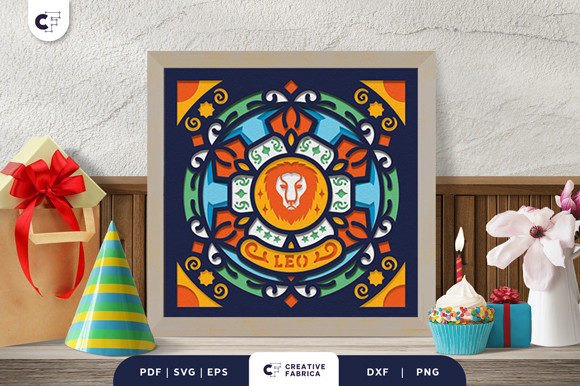
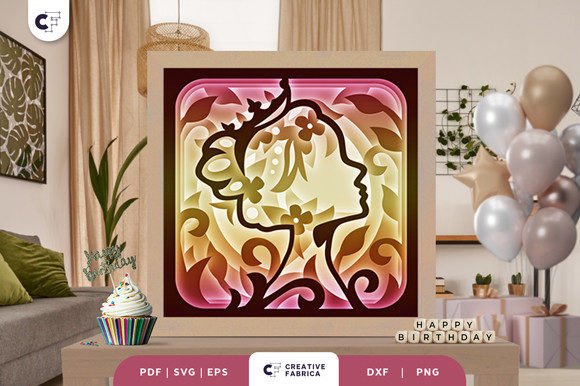
The first thing that strikes you about the 3D Paper Cut Quinceanera SVG is its inherent sense of depth. Unlike flat vector art, this design mimics the look of layered paper, creating shadows and highlights through geometry rather than gradient fills. For an embroidery project, this is a double-edged sword. On one hand, the distinct layers offer a clear roadmap for using different thread colors to create dimension. On the other, translating those sharp, crisp paper edges into soft thread requires a strategic approach to stitch density.
Visually, the mood is celebratory and elegant, perfectly suited for the milestone of a Quinceañera. However, when I imagine this on a custom apparel item, specifically a satin sash or a structured tote bag, the "paper cut" style suggests that we should avoid over-stitching. If the goal is to replicate the 3D effect, the design relies heavily on clean outlines and solid fill stitch areas. It feels less like a delicate floral motif and more like a bold statement piece that demands attention.
Real-World Application: From File to Fabric
Let’s talk about a real scenario. Imagine a client approaching your shop wanting a personalized sweatshirt for her daughter's celebration. She wants something modern, not just a standard monogram. This is where the 3D Paper Cut Quinceanera SVG shines. If you adapt this as a large-format sweatshirt embroidery project, the layered elements can be stitched in varying shades of gold, blush, and deep purple to mimic the shadow play of the original SVG.
In my experience, designs with this much visual personality work exceptionally well on tote bag design projects. A canvas tote provides a sturdy base that can handle the weight of a dense design without distorting the fabric. The "3D" nature of the artwork translates beautifully here because the texture of the canvas complements the raised effect of the embroidery. You are essentially creating a tactile version of the digital art. For an Etsy seller or a small shop product line, offering a pre-made design like this on a premium tote bag could significantly increase perceived value compared to a simple printed logo.
However, we must also consider smaller items. Could this work for a cap or a small embroidered patch? Here, caution is required. The intricate layering of the 3D Paper Cut Quinceanera SVG might get lost if scaled down too aggressively. Tiny details that look crisp on a screen can become muddy blobs of thread on a curved surface like a baseball cap. If you choose to use this for headwear, you would need to simplify the layers, perhaps focusing only on the central silhouette and using a satin stitch border to define the shape against the dark fabric of the cap.
Navigating Technical Challenges
When moving from a digital digital embroidery file concept to reality, several technical hurdles arise. The primary concern with this specific design is the transition between layers. In a paper cut, layers sit physically on top of one another. In embroidery, unless you are doing true applique, you are stitching everything onto the same plane. To achieve the illusion of depth, you will likely need to adjust your hoop size to ensure there is enough room for the design to breathe without crowding the stitches.
Fabric choice is equally critical. If you attempt this design on thin or stretchy fabric, the heavy stitch density required to fill the 3D shapes could cause puckering. Always test the design on scrap fabric first. Use a tear-away or cut-away stabilizer appropriate for the material; for a heavy sweatshirt, a medium-weight cut-away is essential to support the design during and after stitching. Conversely, if you are working with a textured fabric like denim or tweed, the texture might interfere with the clean lines of the 3D Paper Cut Quinceanera SVG, making the details harder to see.
Another practical consideration is the color palette. The design relies on contrast to sell the 3D effect. When selecting thread colors, do not simply match the hex codes from the SVG. Thread reflects light differently than a monitor. Test swatches on your actual fabric background. A light gray shadow on a white shirt might disappear completely, while a slightly darker shade could provide the necessary definition. Similarly, on dark fabrics, you may need a backing layer of white thread or a different stabilizer to make the lighter elements pop.
Commercial Viability and Brand Consistency
For creative entrepreneurs and craft business owners, the question is always about return on investment. Does this design add value? Absolutely. A personalized gift featuring a custom-adapted 3D Paper Cut Quinceanera SVG stands out in a sea of generic birthday merchandise. It signals effort and artistic intent. Clients appreciate when their handmade product looks professional and unique.
However, before listing this as a commercial embroidery service or selling the finished goods, you must confirm the licensing terms. Many digital assets sold as SVGs have restrictions on commercial use. Ensure you have the right to reproduce this design on multiple items for sale. If the license is personal-use only, you cannot legally sell the embroidered patches or shirts. Always check the terms before integrating any design assets into your revenue stream.
Furthermore, consider how this fits into your brand consistency. If your shop specializes in minimalist, modern decor, a highly detailed, multi-layered Quinceañera design might feel out of place. But if your niche is celebratory events, Birthdays, and family milestones, this design is a perfect fit. It aligns with the emotional weight of the occasion and offers a tangible way to commemorate the event.
Designer Notes for Success
To get the most out of the 3D Paper Cut Quinceanera SVG, follow these practical steps:
- Test on Scrap Fabric: Never skip this step. Stitch a sample to check for puckering, thread breaks, and color visibility.
- Review Stitch Density: Reduce density in areas where the fabric is thin to prevent distortion.
- Check Hoop Size: Ensure your machine hoop accommodates the full width of the design without stretching the edges.
- Inspect Small Details: Look closely at the corners and intersections. Tight curves may require a slower stitch speed to maintain accuracy.
- Use Proper Stabilizer: Match the stabilizer weight to the fabric type to ensure the design lays flat.
- Create Printable Mockups: Before selling, show clients what the final result will look like using high-quality printable mockup images.
- Verify Licensing: Confirm you have the rights to sell finished products made with this design.
In conclusion, the 3D Paper Cut Quinceanera SVG is a powerful tool for designers willing to put in the extra work to translate its digital depth into thread. It is not a "load and go" file that works perfectly on every surface, but with careful planning regarding fabric texture, thread colors, and stabilizer choice, it can produce stunning results. Whether you are creating a baby embroidery keepsake, a holiday embroidery gift, or a premium boutique item, this design offers a unique opportunity to deliver a memorable, high-quality finished product that honors the significance of the celebration.